London Climate Action Week
London Climate Action Week, the world’s largest city-wide climate event series, took place against the backdrop of a city experiencing the very challenge it was seeking to address.
As temperatures soared across the UK capital, events were disrupted, transport networks came under strain, and a dedicated session on extreme heat at the London School of Economics was cancelled because the venue itself became dangerously hot.
Climate risk is no longer a future concern. The recent heatwave served as a stark reminder of the growing reality facing communities across Europe, where more than 200,000 people are estimated to have died from heat-related causes over the past four years. A recent study published in Global Environmental Change also found that heatwaves and droughts have reduced average household incomes across Europe by almost 3% while pushing an additional 5.6 million people closer to poverty.
Addressing a challenge of this scale requires collaboration across governments, businesses, academia, and civil society. London Climate Action Week demonstrated the value of bringing together leaders from across sectors to build coalitions capable of driving meaningful progress.
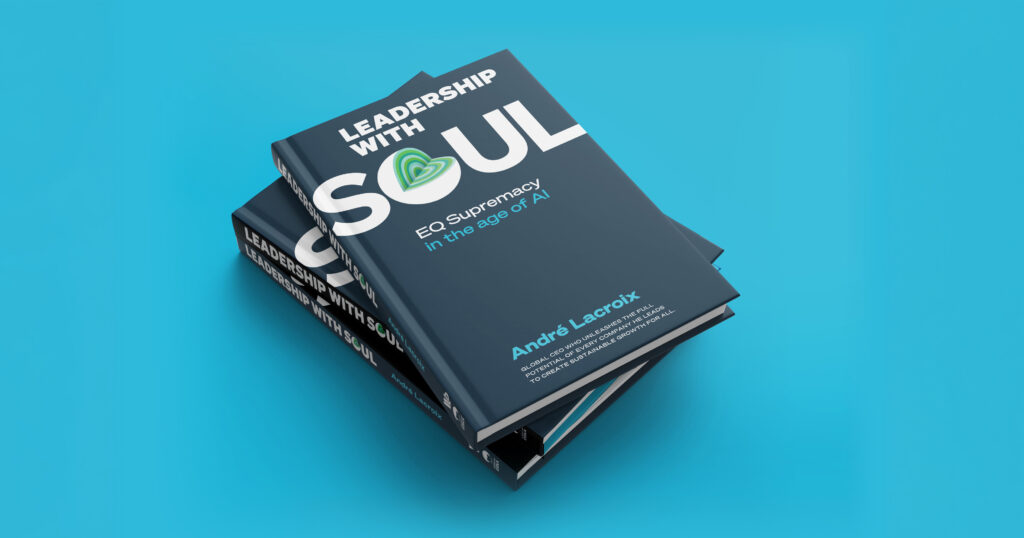
In Leadership with Soul, André argues that solving society’s greatest challenges requires leaders to unite around a shared purpose and create the conditions for long-term, sustainable change. The collective commitment and optimism demonstrated throughout the week reflected the belief that meaningful progress is possible when organisations work together.
Despite this momentum, the scale of the challenge remains significant. Global CO₂ emissions reached another record level in 2025, increasing by 2.2% compared with 2024, leaving the world well behind the trajectory required to achieve the goals of the Paris Agreement.
Reflecting on the discussions during London Climate Action Week, André believes three leadership priorities are essential to accelerate progress towards Net Zero.
First, governments and businesses should introduce mandatory transparency on CO₂ emissions, with organisations and countries reporting their Net Zero performance on a quarterly basis through an open digital platform accessible to all. Greater transparency would strengthen accountability and help drive faster action.
Second, leaders should build a global coalition that brings together scientists from every nation to accelerate the technological breakthroughs required to reduce emissions at scale. With the world continuing to face energy security and affordability challenges, dependence on traditional energy sources is likely to remain for longer than many anticipated. Accelerating scientific innovation will therefore be critical to achieving meaningful reductions in emissions.
Third, leaders should create the financial conditions needed to unlock significantly greater investment in climate solutions. Just as artificial intelligence has attracted unprecedented levels of capital through compelling business cases, climate innovation also requires investment frameworks that make the race to Net Zero an attractive economic opportunity across every industry and every community.
The race to Net Zero is one of the defining leadership challenges of this generation. While extreme weather events capture global attention for brief periods, lasting progress will depend on sustained leadership throughout the year – building transparency, accelerating scientific collaboration, and mobilising investment at the scale needed to address climate risk and create a more sustainable future.